A Guide for Selecting the Best Filter
Particle Sizes and Filtration Types1
Typical Particle Sizes
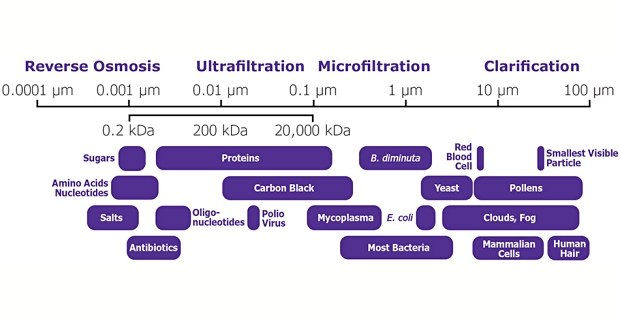
Figure 1. Typical size of particle
Filtration Types
Filtration methods vary depending on the size of the particle to be removed from a solution. Four types of filtration by increasing target particle size are: reverse osmosis, ultrafiltration, microfiltration, and clarification.
Reverse Osmosis (Ionic Separation)
Separates ions or molecules using a semi-permeable membrane or barrier. Applied pressure overcomes osmotic pressure and forces solvent to move from a high solute concentration to a low solute concentration.
Rejects a high percentage of organic matter, other particulates, and > 99% of salts.
Typical rating is based on sodium chloride retention: ≤ 0.001 µm (< 100 Daltons).
Ultrafiltration (Macromolecule Separation)
Separates particles and dissolved molecules from fluids based on particle size.
Used for concentration, fractionation, desalting, and buffer exchange.
Carried out in pressure-driven, vacuum-driven, or centrifugal devices.
Typical rating: 0.001–0.05 µm (1–1,000 kDa Nominal Molecular Weight Limit, NMWL).
Microfiltration (Particle Retention/Exclusion & Sterilization)
Separates/removes particles (both rigid and deformable types) and biological entities—such as bacteria and cells—based on particle size.
Carried out in syringe, multi-well plates, filter units, or disc filters.
Typical rating: 0.025–10 µm; and rated as nominal (~98% retention) or absolute (100% retention of the size equal to the pore size rating).
Clarification Filters (Pre-filtration, Particle Analysis)
Retains/removes large particles, aggregates, and debris based on size.
May serve as a primary filtration step before microfiltration.
Carried out in syringe filters, multi-well plates, or disc filters.
Typical rating: > 5 µm.
How to Select the Best Filter for Your Process
Step 1: Match Your Application with the Pore Size
Table 1. Selecting the Pore Size2,3
| Application | Pore Size |
|---|---|
| Ultrafiltration | Appropriate MWCO/NMWLa |
| Mycoplasma Removal | 0.1 µm |
| Sterilization | 0.20 or 0.22 µm |
| Ultracleaning (UHPLCb) | 0.20 or 0.22 µm |
| Clarification (HPLCb) | 0.45 µm |
| Coarse Particle Removal | 0.8 µm |
a MWCO or NMWL: In general, the molecular weight cut-off (MWCO) or nominal molecular weight limit (NMWL) of the membrane filter should be one-half to one-third of the molecular weight of the target protein for retention.3
b This depends on the particle size of the column’s stationary phase. Typically, HPLC columns use 3–5 µm particles, while UHPLC columns use particles of 2 µm or less.4
Step 2: Select the Membrane and Housing Material for Your Application
Table 2. Characteristics of Filter Membranes2,3
| Membrane Material | Wettability | Wetting Agents | Protein Binding | DNA Binding | Chemical Resistancea |
|---|---|---|---|---|---|
| Cellulose Nitrate (CN) | Hydrophilic | Yesb | Very high | High | Low |
| Cellulose Acetate (CA) | Hydrophilic | Yesb | Very low | Very low | Low |
| Mixed Cellulose Esters (MCE) | Hydrophilic | Yesc | High | High | Low |
| Regenerated Cellulose (RC) | Hydrophilic | No, naturally hydrophilic | Very low | Low | Very high |
| Nylon (NY) | Hydrophilic | No, naturally hydrophilic | High | Very high | Moderate to high |
| Polyethersulfone (PES) | Hydrophilic | Yesd | Low to moderatee | Very low | Low to moderatef |
| Polytetrafluoroethylene (PTFE) | Hydrophobic | Does not wet | N/A | N/A | Very high |
| Hydrophilic Polytetrafluoroethylene (Hydrophilic PTFE) | Hydrophilic | Yes | Low | Very low | Very high |
| Polyvinylidene Fluoride (PVDF) | Hydrophobic | Does not wet | High | Low to moderate | High |
| Hydrophilic Polyvinylidene Fluoride (Hydrophilic PVDF) | Hydrophilic | Yes | Very low | Very low | High |
a For detailed chemical resistance profiles, please refer to the manufacturers’ manuals.2,5–8
b Although derived from cellulose, both cellulose acetate and cellulose nitrate polymers exhibit hydrophobic tendencies. Small amounts (< 1%) of non-toxic wetting agents are added during manufacture to ensure rapid wetting. These agents can be easily removed by flushing the filter unit with a small volume of warm purified water prior to use.2
c Mixed Cellulose Esters (MCE) membranes are composed of a mixture of cellulose acetate and cellulose nitrate.9
d PES membranes typically require the addition of hydrophilic polymers or surface wetting agents to achieve hydrophilicity; however, high-quality manufacturing ensures they maintain extremely low levels of extractables.1,10
e PES membranes exhibit low to moderate protein binding, which varies depending on the specific brand and manufacturer.1
f PES exhibits poor resistance to most organic solvents, but offers excellent broad pH compatibility.2,5–8
Step 3: Select the Correct Membrane Area to Optimize Flow Rate and Throughput
Manufacturers offer centrifuge-, vacuum-, and pressure-driven filters.
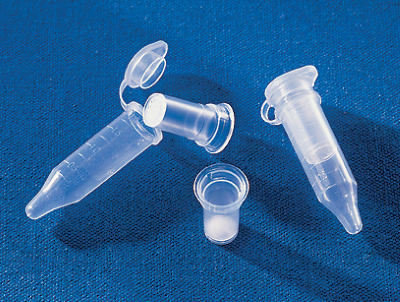
Figure 2. Spin-X centrifuge tube filters, centrifuge-driven tube filters2
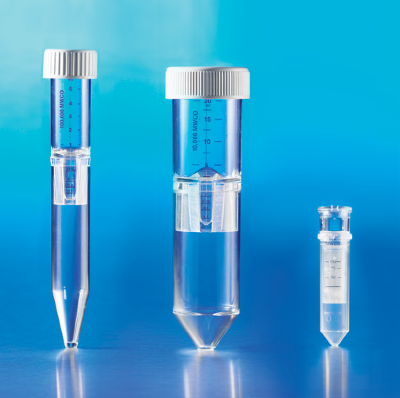
Figure 3. Spin-X® UF, centrifuge-driven filters for ultrafiltration2
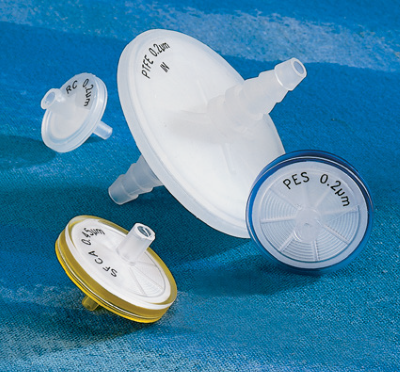
Figure 4. Syringe filters, pressure-driven syringe filters2
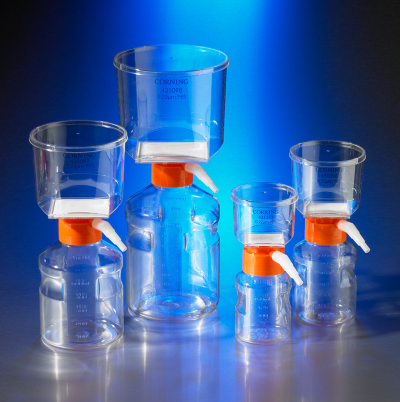
Figure 5. Filter/storage systems, vacuum-driven filters2
Table 3. Choose a Filter Based on Sample Volume1,11
| Sample Volume | Type | Filter Size | Filtration Area | Hold-up Volume (after air purge) |
|---|---|---|---|---|
| 0.05–0.5 mL | Centrifuge-driven tube filters | 0.5 mL | 0.2 cm2 | 5 µL |
| < 1 mL | Pressure-driven syringe filters | 4 mm | 0.1 cm2 | 10 µL |
| 1–10 mL | Pressure-driven syringe filters | 13 mm | 0.65–0.8 cm2 | 25 µL |
| 10–100 mL | Pressure-driven syringe filters | 25 mm | 3.9–4.0 cm2 | 100 µL |
| 10–200 mL | Pressure-driven syringe filters | 33 mm | 4.5 cm2 | 80 µL |
Vacuum-driven filters are typically used for larger sample volumes.
References
A clarifying guide to Membrane Filtration: https://www.merckmillipore.com/deepweb/assets/sigmaaldrich/product/documents/275/044/membrane-filtration-guide-br1133en-mk.pdf
Corning® Filtration Guide: https://www.corning.com/catalog/cls/documents/selection-guides/t_filterselectionguide.pdf
Centrifugal Filters: https://www.sigmaaldrich.cn/CN/en/products/filtration/concentration-filters/centrifugal-filters
HPLC or UHPLC?: https://www.thermofisher.cn/blog/analyteguru/hplc-or-uhplc/
Premium Syringe Filters - Chemical Compatibility Chart | Agilent: https://www.agilent.com/en/products/sample-preparation/sample-preparation-methods/filtration/syringechemicalcompatibility
Sample Filtration Guide—Particulate Removal: https://www.agilent.com/cs/library/posters/public/captiva-solvent-compatibility-poster-5994-0545-en-agilent.pdf
Chemical Compatibility of Filter Components: https://www.merckmillipore.com/Web-SG-Site/en_US/-/SGD/ShowDocument-Pronet?id=201510.400
Filterware-Chemical-Resistance-Guide: https://documents.thermofisher.com/TFS-Assets/LCD/Specification-Sheets/Filterware-Chemical-Resistance-Guide.pdf
Product guide Laboratory Filtration: https://cdn.cytivalifesciences.com/api/public/content/bXnZNyv1RWie3w8i550Lyg-pdf
Otitoju, T. A., Ahmad, A. L., & Ooi, B. S. (2018). Recent advances in hydrophilic modification and performance of polyethersulfone (PES) membrane via additive blending. RSC Advances, 8(40), 22710–22728. https://doi.org/10.1039/c8ra03296c
User Guide Ultrafree®-MC and -CL Centrifugal Filter Devices With Microporous Membranes: https://www.sigmaaldrich.com/deepweb/assets/sigmaaldrich/product/documents/263/793/pr05331wug-mk.pdf